
The Self Behind the Performance
Memoirs of a GeishaThis thread examines how Sayuri’s changing names, makeup, training, and public conduct both create her professional identity and conceal the private person living within it.
increasing Bearing strength in each event
 decreasing
Bearing strength in each eventdecreasingFrom Chiyo to a Geisha’s Ward
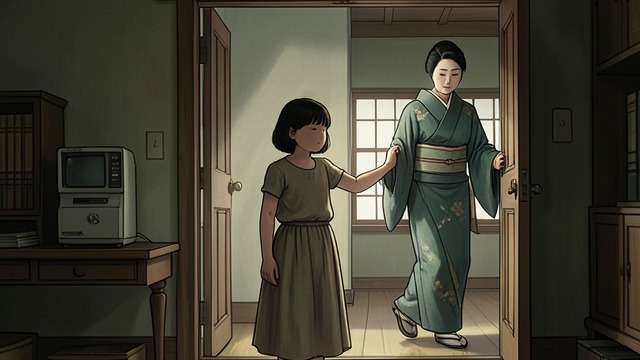
From Chiyo to a Geisha’s Ward
A new social identity
After Mr. Bekku separates her from Satsu, Chiyo arrives in a household where her future depends on whether its leaders consider her worth keeping. She is no longer defined primarily as a daughter of Yoroido but as a child under the okiya’s authority.
The work of becoming legible
Her chores, etiquette, and expected deference teach her how to act within a structured professional world. Even before lessons begin, she is being shaped through other people’s judgments about her appearance, temperament, and usefulness.
Identity under pressure
The change is not a simple transformation into a new self. The child’s attachments to her family persist beneath the role imposed on her, creating a tension between the person she remembers being and the person the okiya is preparing her to become.
The Mask of Makeup
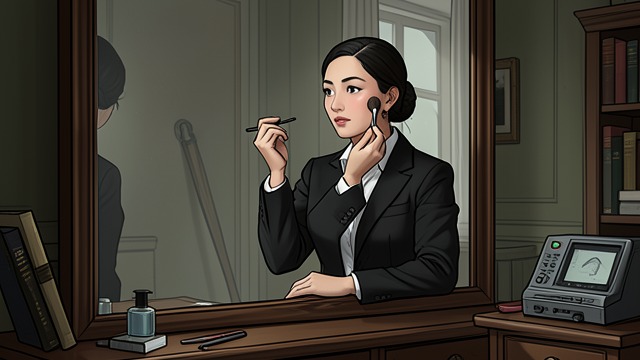
The Mask of Makeup
A visible change
Watching Hatsumomo apply makeup, Chiyo sees how ordinary features become part of a carefully composed public image. The ritual teaches her that geisha identity is not merely clothing or paint; it also involves adopting a practiced way of thinking and presenting oneself.
Beauty as labor
The process depends on technique, preparation, and the help of others. The finished appearance can seem effortless to onlookers, while the work that produces it makes professional beauty a form of disciplined performance.
The self beneath the image
Chiyo experiences both envy and shame as she watches. Her later career will depend on the persona she constructs, but the scene establishes that becoming visible does not mean being fully known.
A Name and a Public Role
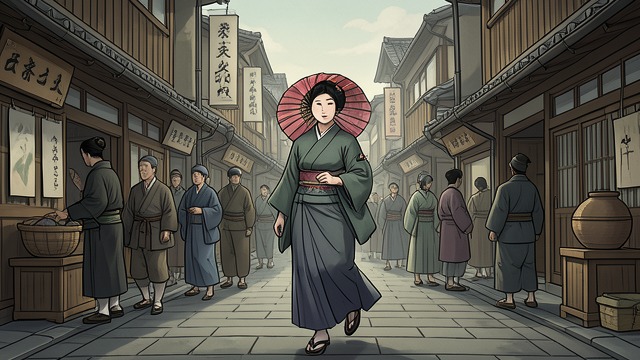
A Name and a Public Role
A formal beginning
After the sake ceremony with Mameha, Chiyo becomes known professionally as Sayuri. The name marks a new standing in Gion and connects her to a public lineage, while also separating her from the child she was in Yoroido.
Learning the audience
Her introductions around the district and first engagements teach her how a novice is watched, evaluated, and presented. Her manner, clothing, and eyes become part of the message others read before they know anything about her privately.
Continuity beneath renaming
Sayuri does not simply replace Chiyo; memories of her parents, Satsu, and the old home remain with her. The new name is a professional identity built around an older self that continues to feel and remember.
Dance as an Inner Language
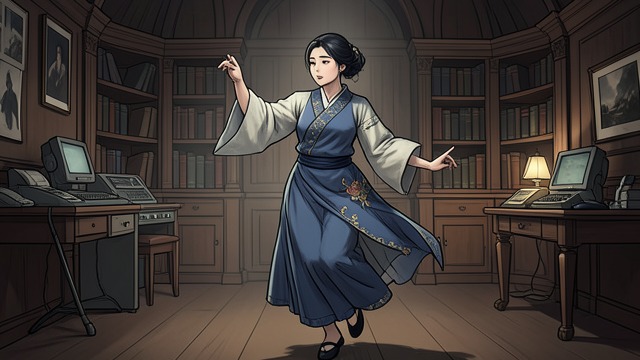
Dance as an Inner Language
Technique becomes expression
At first, Sayuri struggles to master the formal movements of dance. She gradually discovers that sadness and longing can give her movements a dignity she cannot achieve through technique alone.
A private meaning in public art
By imagining the Chairman as an observer, she turns each gesture into an expression of feeling. Her performance remains formally controlled, yet privately it carries meanings that the audience may never see.
The artist and the role
Dance gives Sayuri a way to communicate without revealing herself directly. It both deepens her professional identity and strengthens the distance between what she shows publicly and what she hopes privately.
A Life Beyond the Stage
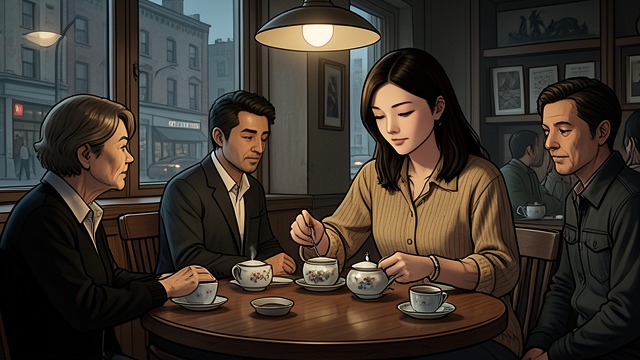
A Life Beyond the Stage
The role recedes
When Sayuri becomes the Chairman’s mistress, she ends her active career in Gion. She no longer follows its professional routines, even though her identity and relationships have been formed there.
A new setting, familiar skills
In New York City, Sayuri creates a small teahouse serving Japanese visitors and reconnects with parts of the world she left behind. Her experience of performance and hospitality remains useful, but she is no longer bound to the same public role.
A self made of more than one life
The move does not erase the geisha she was or the child she once was. Sayuri’s later reflections hold these identities together, showing how a person can outlive the role that once organized her days.
On Sayuri’s arrival at the Nitta okiya
During Sayuri’s first months in the okiya, as she observes Hatsumomo dressing
At Sayuri’s debut as Mameha’s younger sister
During Sayuri’s renewed dance training before her debut
After Sayuri leaves Gion and establishes herself in New York City
